-
How Viking Voyages Remade the Medieval Map
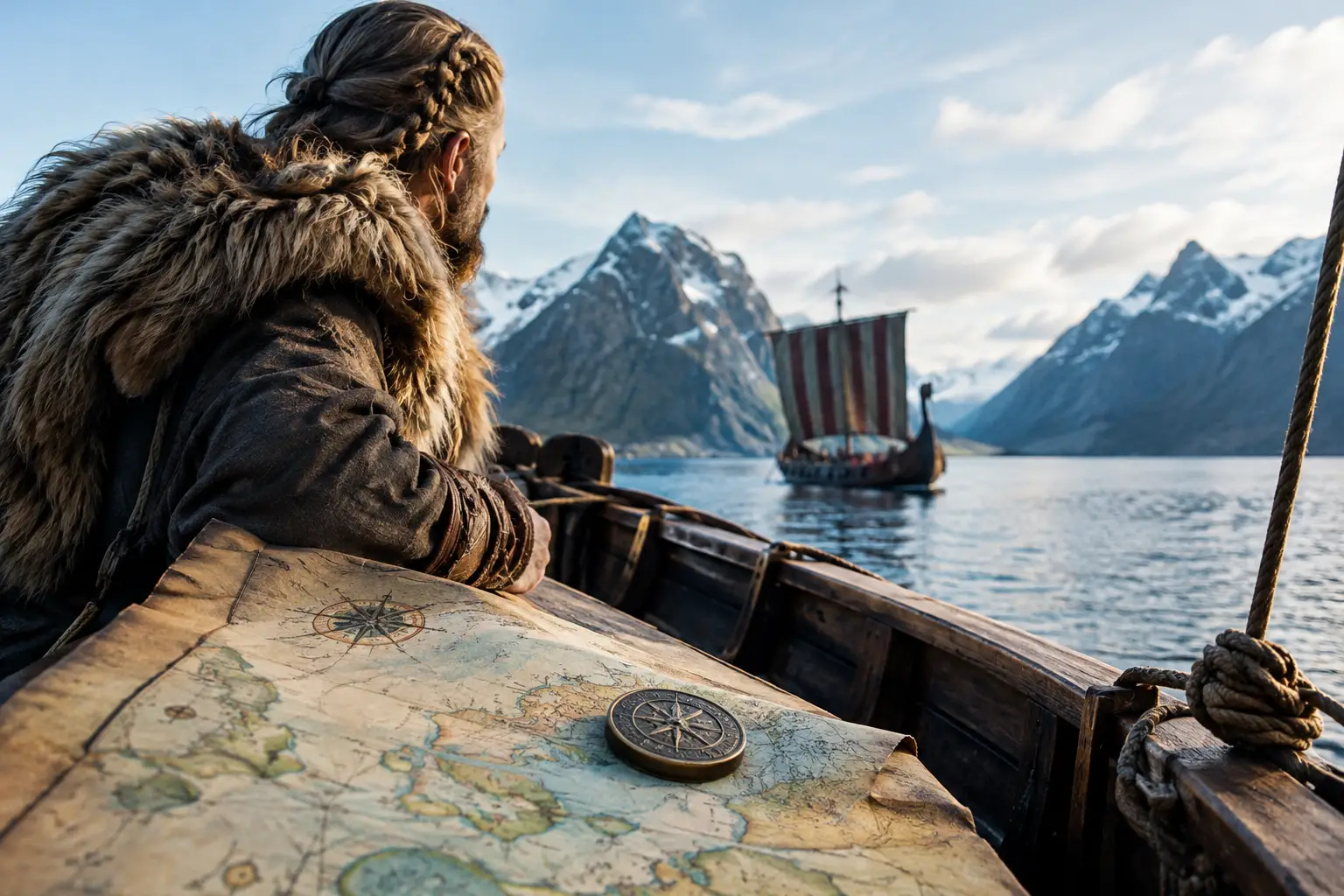
Viking voyages carried Norse sailors from Norway to North America, connecting trade, settlement, warfare, and survival across the medieval Atlantic world.
-
Why Did Ancient Cities Flood So Often in History?
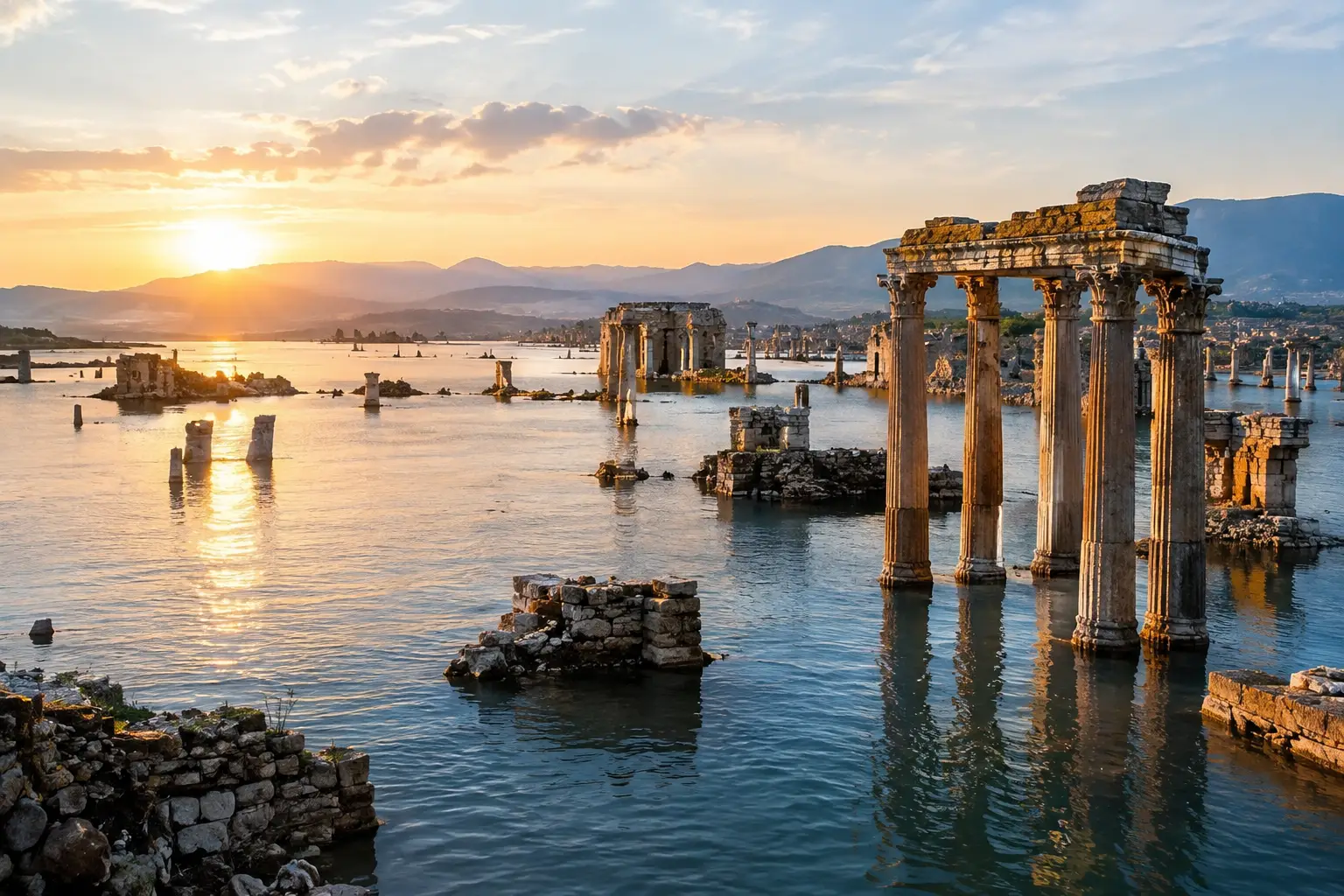
Why did ancient cities flood? Trace the rivers, storms, tides, and human choices that overwhelmed Mesopotamia, Rome, and other early urban worlds alike.
-
Ancient Egypt and the Art of Living Forever
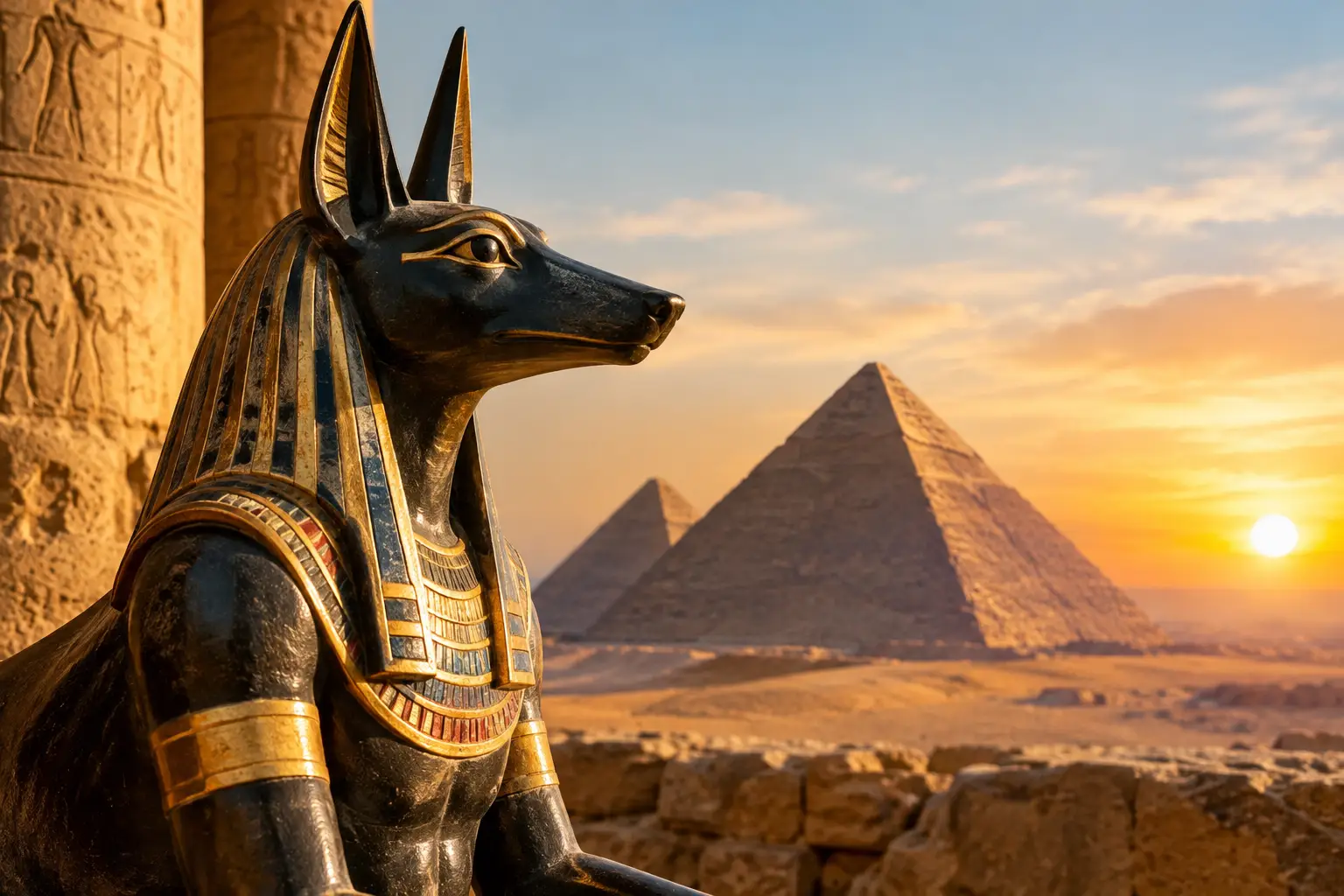
Ancient Egypt was more than pyramids and pharaohs. Step into its temples, homes, tombs, and enduring ideas about life, death, and memory across millennia.
-
Prehistoric Cave Art: Messages Across Millennia
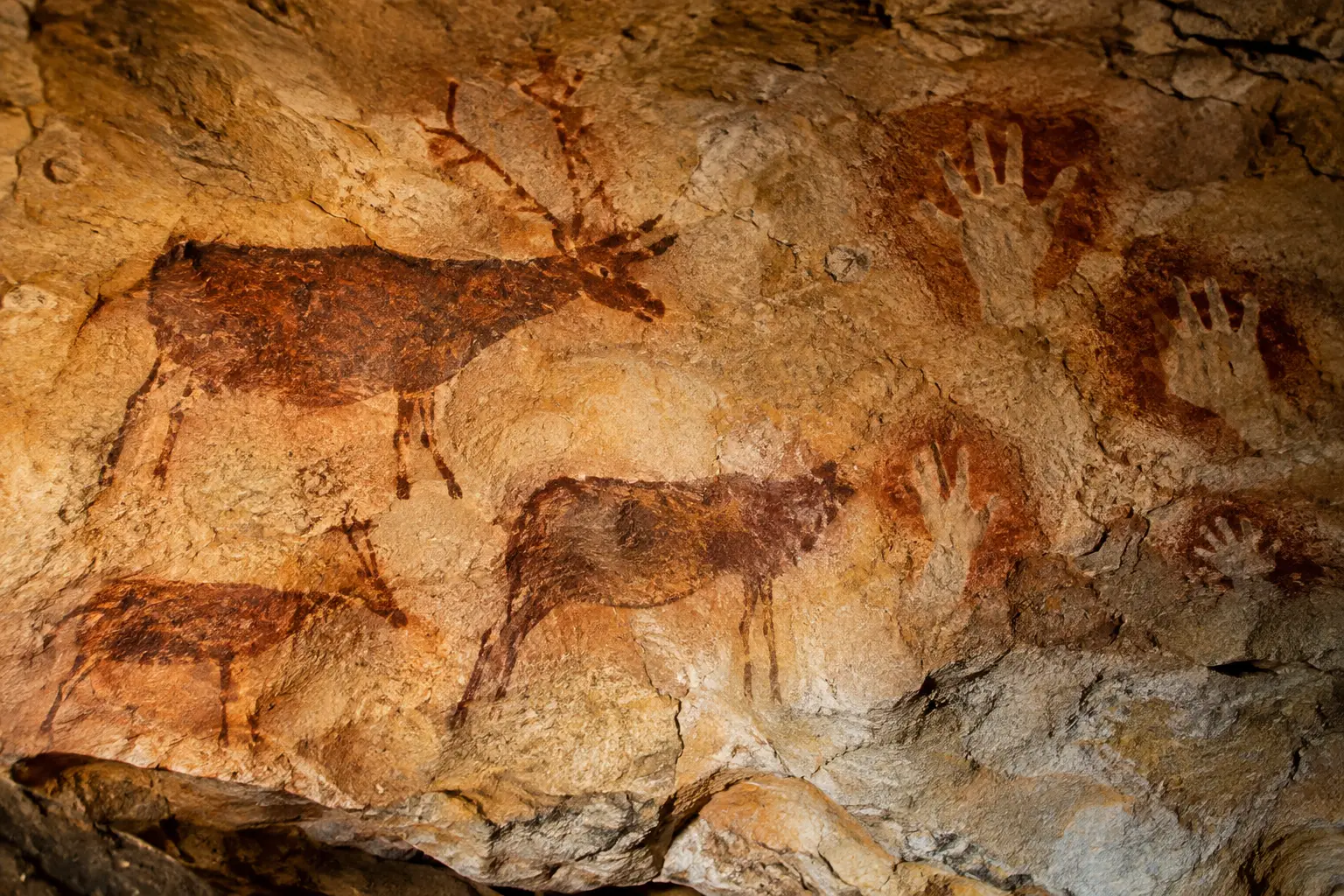
Prehistoric cave art preserves Ice Age animals, handprints, and symbols, revealing how early people saw, remembered, and shaped their past in deep stone.
-
Why Did Pompeii Disappear Beneath the Ash?
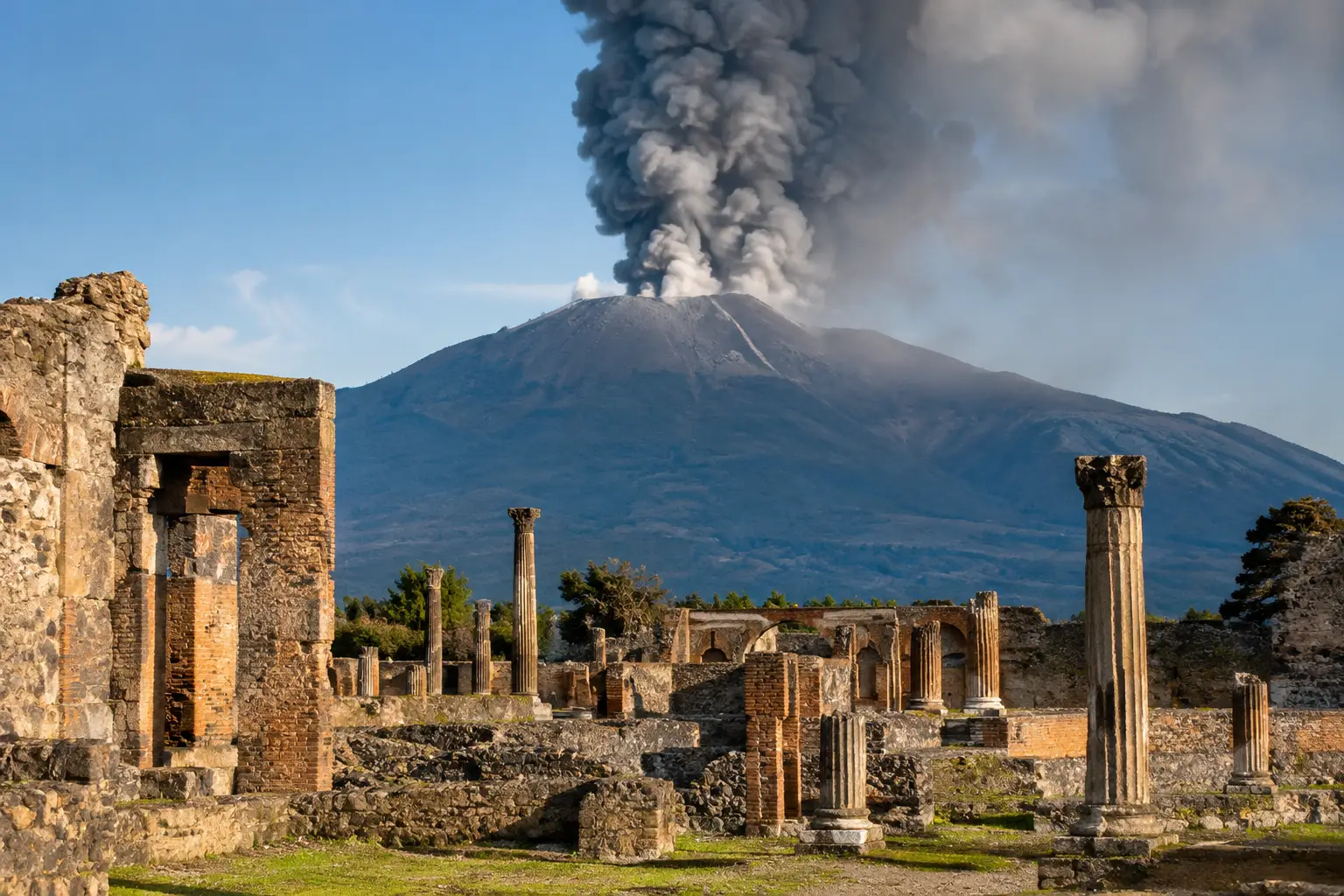
Why did Pompeii disappear? In 79 CE, Vesuvius buried a living Roman city. Follow the eruption, its rediscovery, and what its ruins still reveal today.
-
Great Fire of London Facts That Reveal 1666
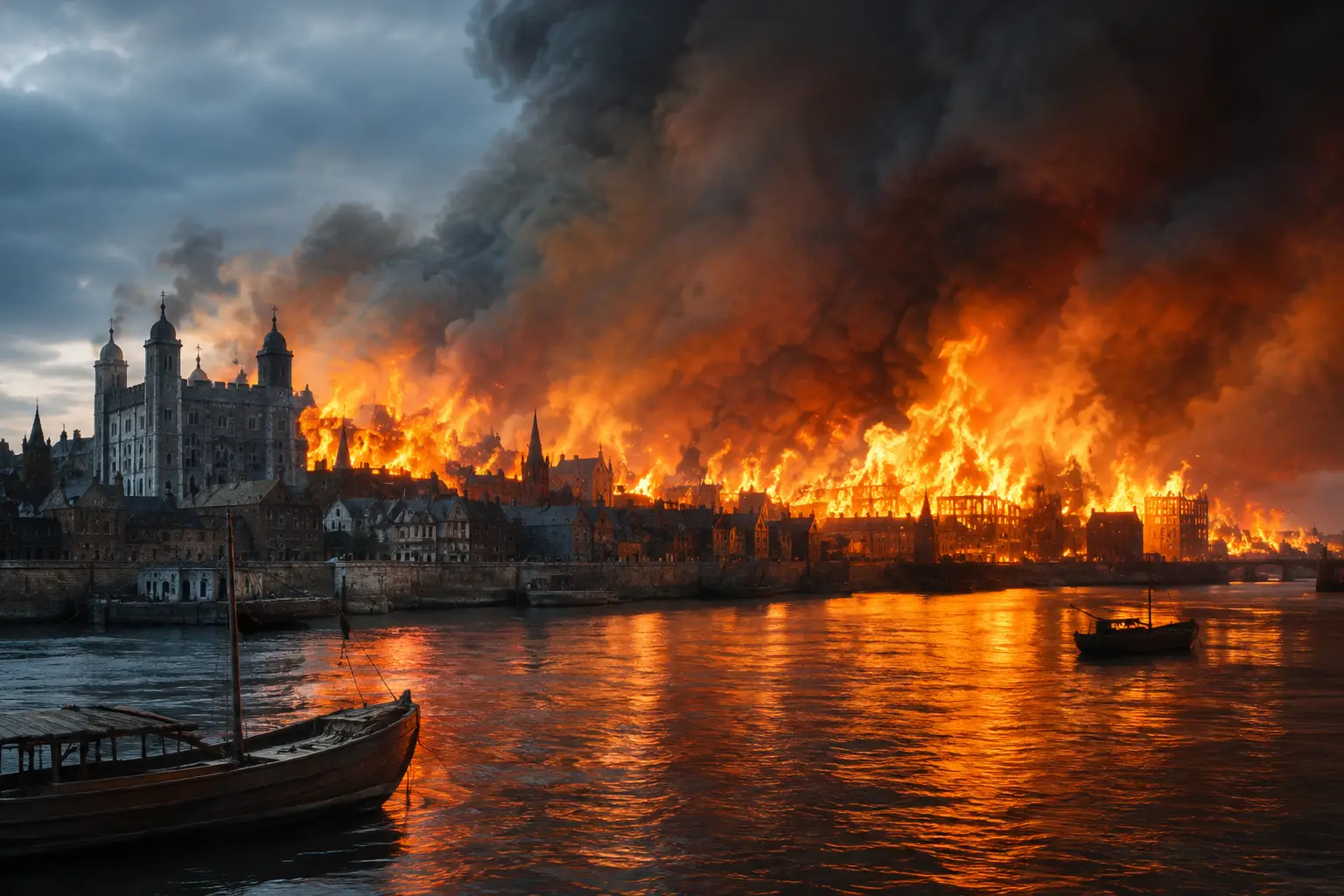
Great Fire of London facts reveal how four days in 1666 transformed a crowded medieval city, spared lives, destroyed homes, and remade its streets anew.
-
10 Strangest Ancient Medical Treatments

From crocodile dung to skull drilling, the strangest ancient medical treatments reveal how healers mixed observation, ritual, and hope in antiquity.
-
Were Gladiators Always Enslaved? The Roman Truth
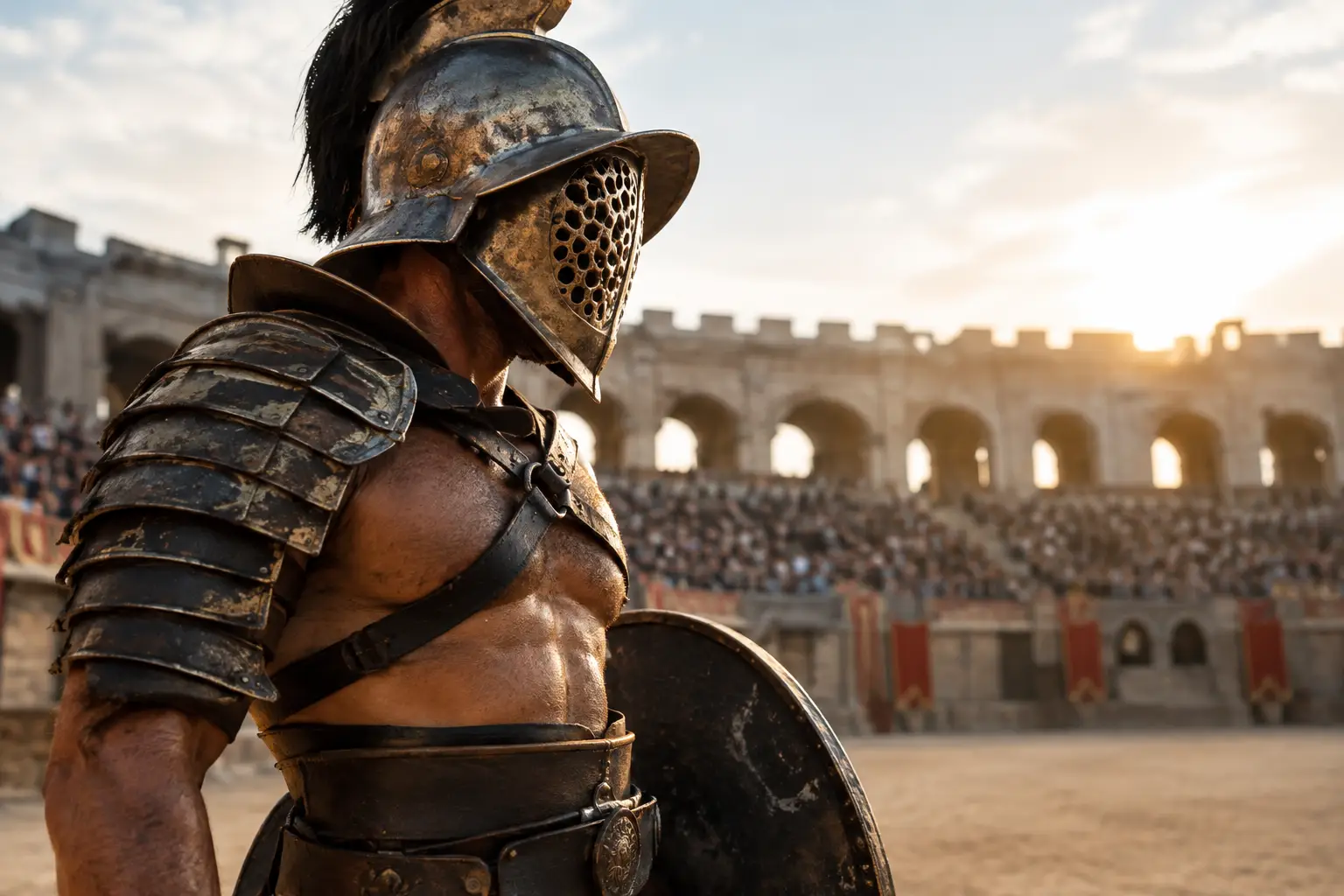
Were gladiators always enslaved? Discover how prisoners, volunteers, and professionals entered Rome’s arena – and what freedom could mean in life.
-
Most Devastating Volcanic Eruptions in History
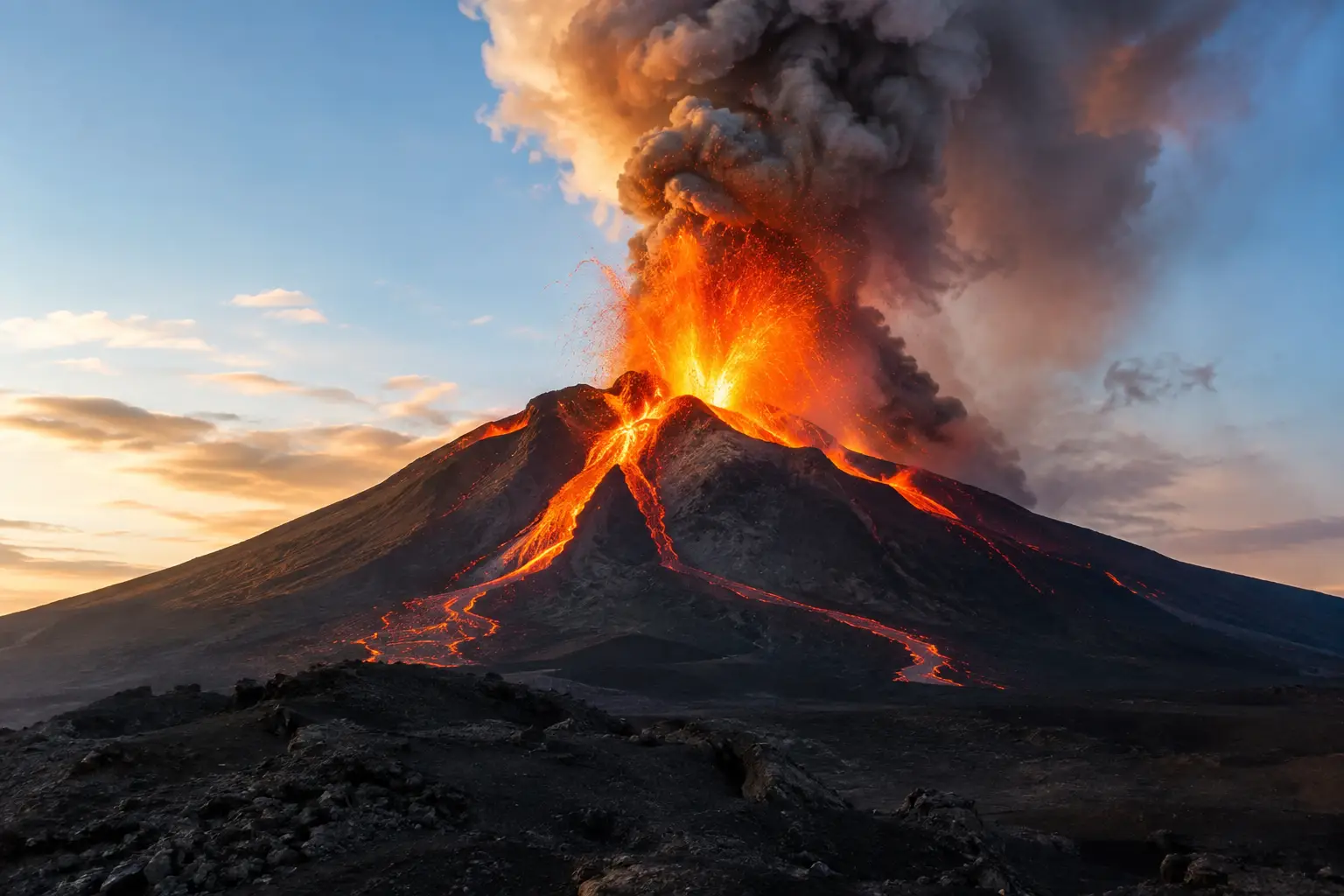
Explore the most devastating volcanic eruptions in history, from Tambora to Mount St. Helens, and see how ash, famine, and memory shaped societies forever.
-
Archaeology Versus Treasure Hunting Explained
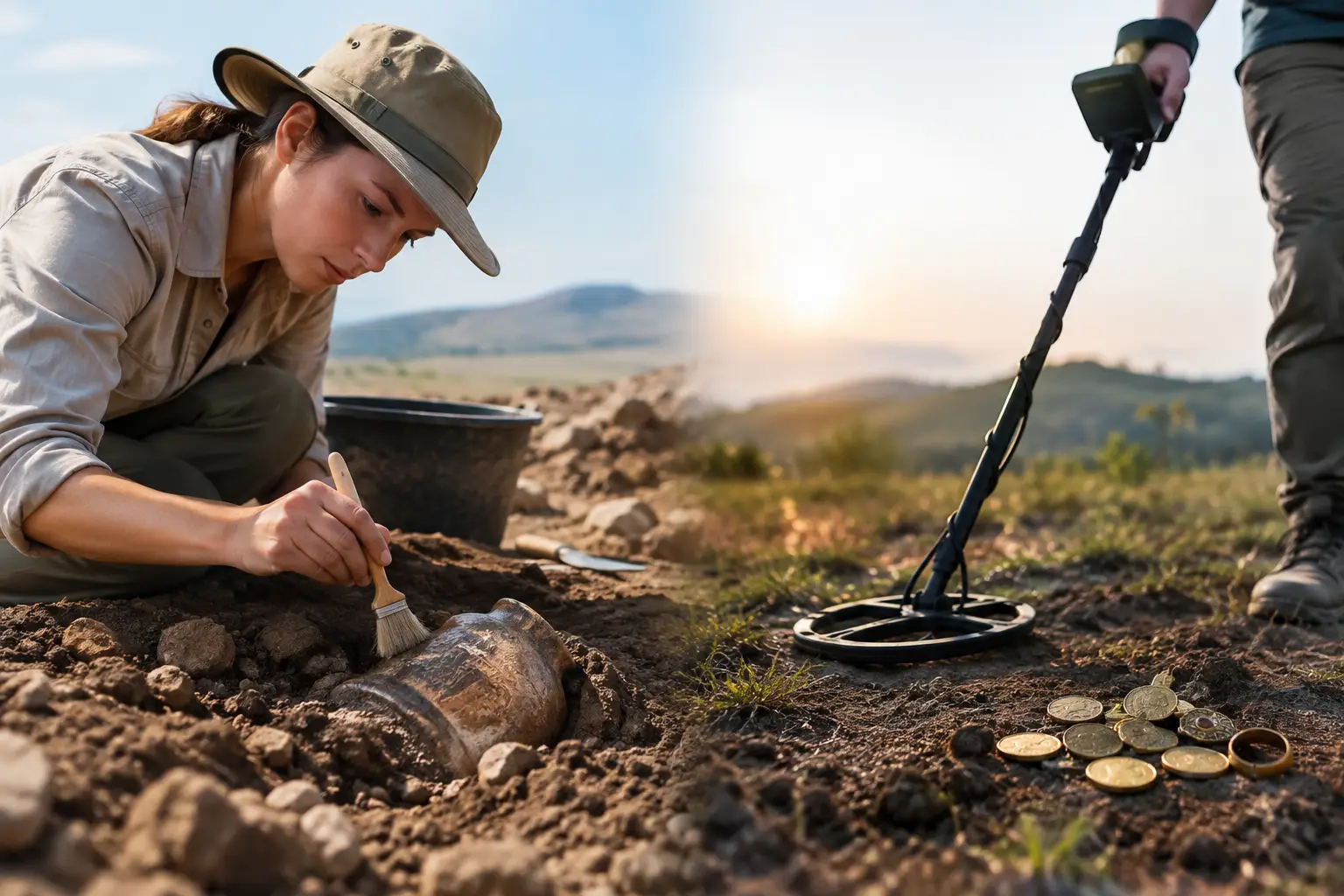
Archaeology versus treasure hunting reveals two radically different goals: one preserves the human story, while the other often breaks it apart forever.